Mike:
Yeah.
John:
…and opportunities for computer here also because these software packages have to have settings in order to make sure that they understand each other and are speaking the same language and that’s when we get into these protocols. So its been a fascinating journey to set some of those things up and so it’s interesting to see how far that extends in the system that we are downloading from.
Mike:
Yeah and I think we have some future topics to talk about in podcasts and that’s going to be how do we get the younger generation involved in our industry. And the young generation just does not know how much software drives our industry and it is the number one thing. So as I am always preaching you need to know the software, you need to go to the file office and understand what the processes are…
John:
Yeah.
Mike:
…because how are you going to be successful with the hardware if you don’t know what the software is doing.
Mike:
We will talk about that in a later podcast when it comes to younger generation and importance of trying to get the younger generation into our industry.
John:
Yeah and I think we touched on that in a previous podcast also…
Mike:
We did.
John:
… So I’ll expand on that further.
Mike:
That’s how important that is.
John:
Yeah.
David:
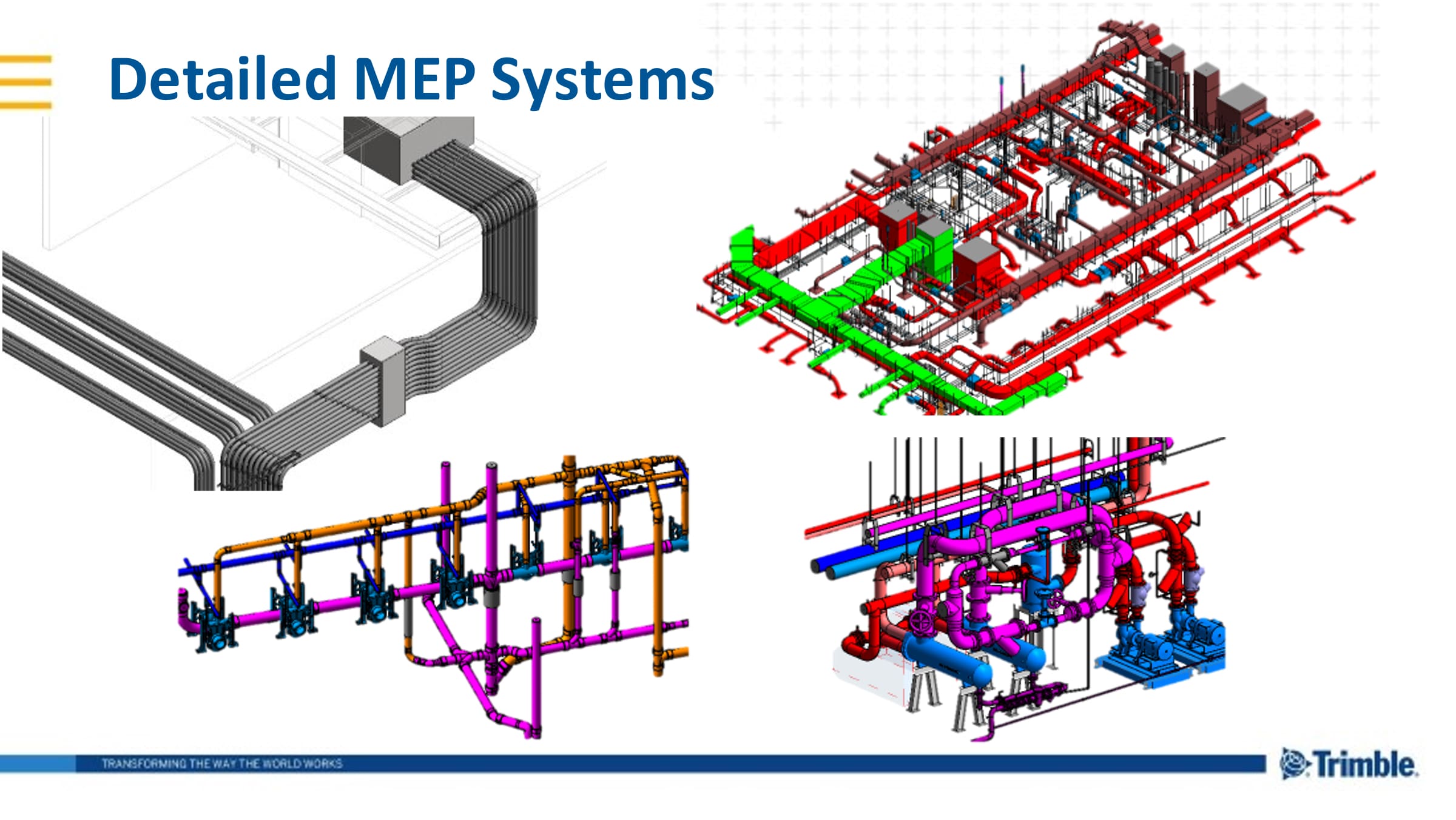
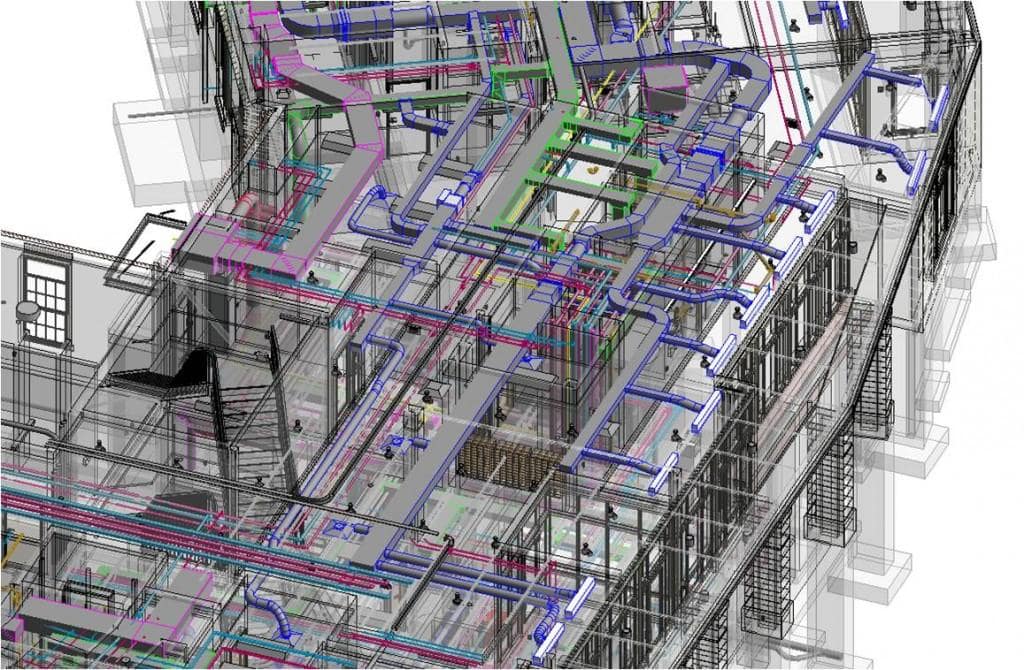
Well the reason why this is an amazing basic to the industry which particularly HVAC industry but the construction in general. Once you have a building erected in steel or in fireproofing or a concrete building you have what they call a colder building. Now you have to put things inside so you have an environmental environment that you can work in, its called the MEP, Mechanical Electrical and Plumbing and the reason why this is so difficult is, think about this, when you move water through a building or plumbing it is a fairly small round pipe. Same thing with electrical conduit but when you move air through a building you have to have a significant volume of a medium to move a square rectangular duct work around so the space inside the building is critical, but again how does this matter?
Well because if the electrical conduit or the plumbing or piping is incorrect when there is a collision with the duct work well its pretty easy to put an elbow and bend a pipe around it, but it is extremely difficult to take a say 30 inch by 40 pieces of duct work and bend it around to fit so these collisions are critical.
Now if you wanted to eliminate the whole problem you would have a building designed around the HVAC system first but that is not going to be an aesthetic building that you want to live in or work in so this is the reason why this HVAC design and collision work is so critical. The fact that you can take these mistakes out before you put the building in just saves time and a lot of money.
John:
Well I guess I think the thing that comes to mind with that David is that you have some of these projects are massive. I remember one of the customers that I was assisting, that had done the new duct work for the new World Trade Center which, if you think about the volume of duct that was involved in that project its hard for me to wrap my head around, but some of those things are going to require a lot of different players to do the design work and that particular company may have done it all under one roof but a lot of them don’t, right?
So you have a lot of groups that are designing these things on separate systems and have those things not collide with one another, which is where you get into that BIM module is that they are able to do that exchange data and even though they are not on the same system or even working for the same company they can work on the same project and understand which choices have already been made by other people and let people know that we are going to need to go through here. You are going to need to remove your pipe or vise versa.
Mike:
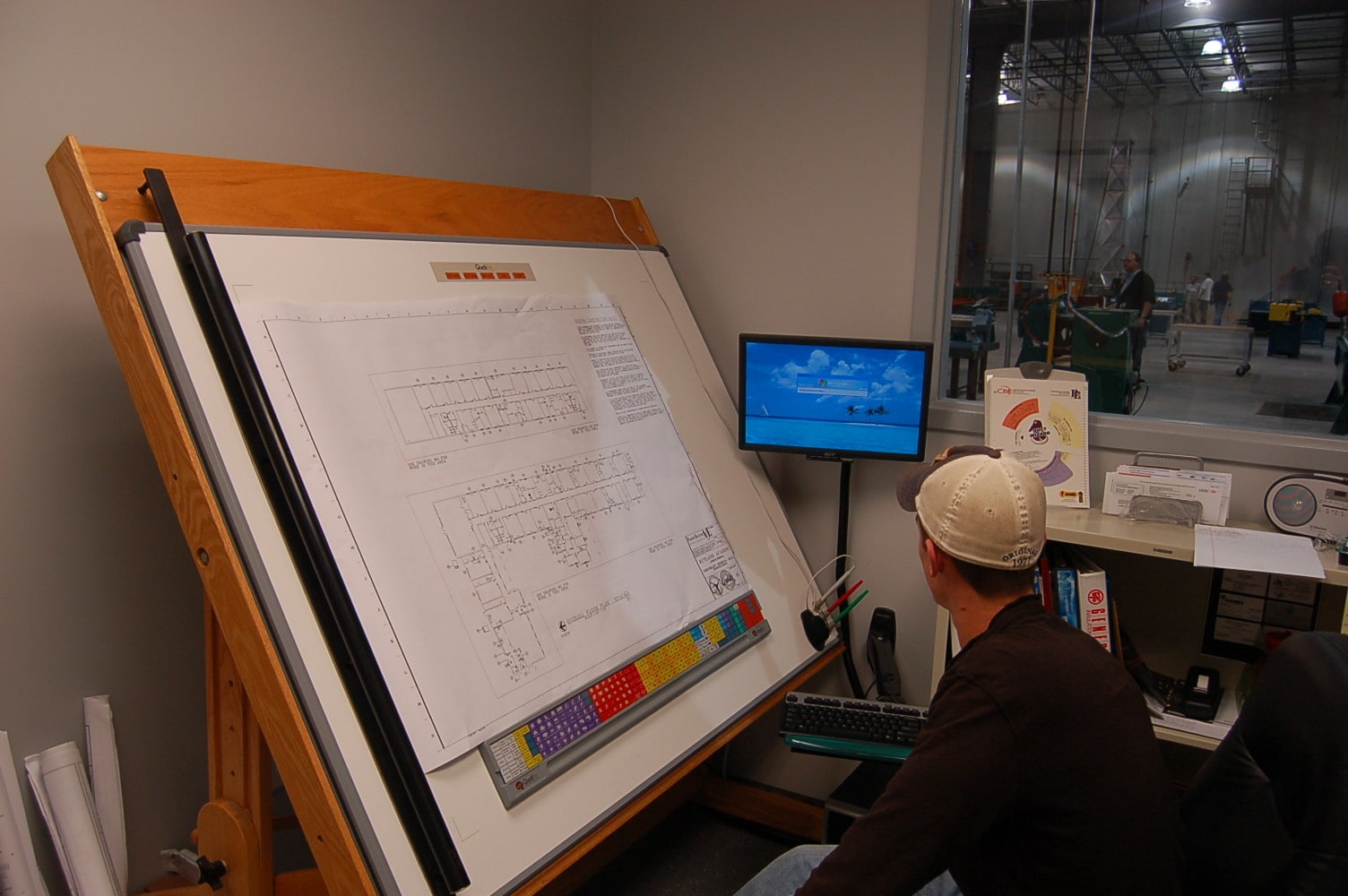
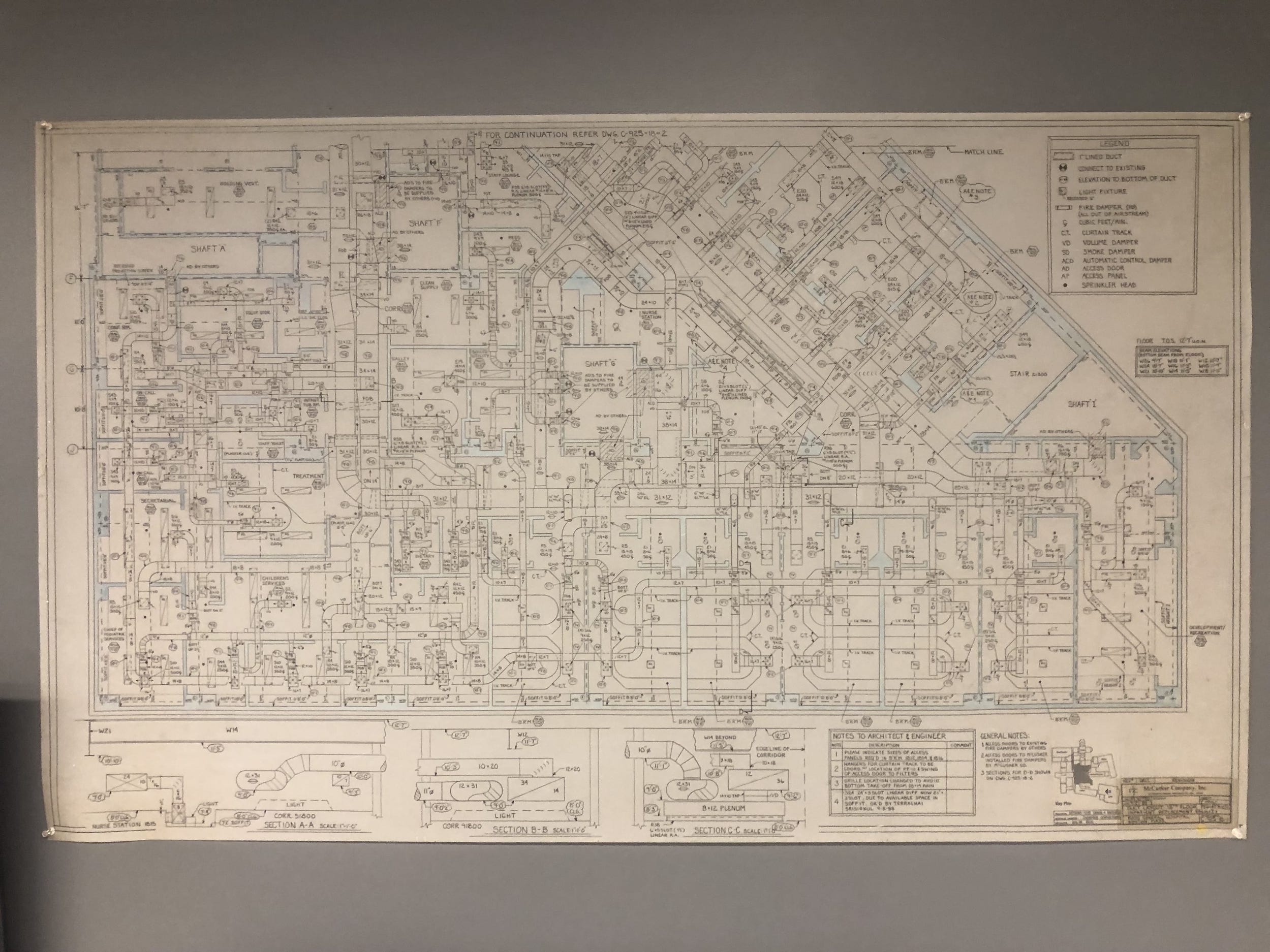
And that raises a good point I look forward to be on site with that mechanical contractor called Harry’s Mechanical out in New York and they were redoing the World Trade Center during that process but they also had the drawings from the original World Trade Center. Hand written drawings. The same architect, engineer redid the new World Trade Center electronically. So its fascinating to see the drawings hand drawn, hand written in the 60s to where we were in the 2007-8 timeframe to see electronically drawn it just brought out the whole situation of automation when it came to the BIM model. So, pretty neat.